
In previous years, the Akwa Ibom State anniversaries were known to be grand affairs. Often characterized by parades, concerts, banquets, and a state-wide celebrations to mark the creation of the state over three decades ago.
These commemorations whether or not still upheld to by other sub nationals in Nigeria, often dominated the political and social landscape, with a well planned weeks program consuming significant state resources which would have been probably reallocated for the development of diverse sectors.
For many, these were moments of pride and reflection of the significant progress the state has made since creation, but the public eye was not also left out in having to scrutinize which public funds usually in hundred millions of Naira were being laundered into such grand celebrations. And if there were accounted for in the fiscal budget.
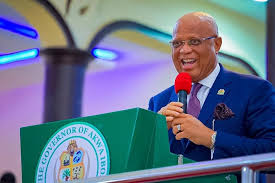
Yet, this year marks a historical shift, when the music changes and the dancers steps have to change too. Miles away from the staged performances to mark the state anniversary. And with the discourse for two other summits underway aside the just concluded town square meeting series. Governor Umo Eno has deliberately set aside anniversary festivities to focus squarely on a sector that does not only affect the rapid economic growth in the state, but is also a necessity for households.
This decision is not merely symbolic; it reflects a visionary swift response to the deeply entrenched challenges in the state’s power sector and it negative effect on Akwa Ibom people and her residents. For decades, the state has battled the paradox of possessing rich natural energy resources, including an abundance of gas and a state-owned power plant, while still suffering from unreliable electricity supply. Many homes and businesses remain tethered to the national grid’s inefficiencies or depend on costly generators.
The economic cost of this dysfunction has posed significant threats to the success of the state’s economy and the sense of livelihood. And with the small and medium scale enterprises SMEs, among the worst hit of this plague often spending a disproportionate share of their little revenue on alternative power.This factor has not only hindered most business expansion strategies but has also discourages the morale needed for growing an investment, and further grounds the unavailability of job opportunities for the youths, while deepening poverty rate as well.
Meanwhile, it no strange occurrence that public services like the hospitals and schools have also struggled with erratic power supply, affecting their ability to function optimally. And aside, ravaging commerce, the governor’s power sector reform has gained a significant momentum so far.
Rather than continuing with reactive, stopgap interventions, Governor Umo Eno’s led administration has opted for a more structured and long-term solution as part of plans to sustain the revamp. These includes but not limited to a policy talk through the flagging off of a two day intensive Electricity Summit born out of a legally-backed framework aimed at building a stable, independent electricity market for the state.
To this effect, is the cornerstone of this new development drive is the state. Which is the Akwa Ibom State Electricity Law 2025, recently passed by the State House of Assembly and assented to by the governor. Together with the State Electricity Policy drafted in 2024.
Through a robust legislative and stakeholders engagement, this lays out a stringent framework for developing and regulating of the Akwa Ibom State’s power ecosystem. Aside also making clear provisions for the legal mandate for the state to establish its own electricity market, separate from the national grid’s inadequacies and attract private sector investment in generation, transmission, and distribution of it power resources with the plant.
The new law also paves the way for the creation of the Akwa Ibom State Electricity Regulatory Commission (AKSERC), which will serve as the independent watchdog for the state’s electricity operations. And by so doing, the commission once inaugurated by the governor is expected to enforce ethical standards, protect consumer interests, oversee licensing, and equally ensuring that the sector remains transparent, competitive, and also efficient.
Additionally, the state government has announced plans to reclaim its equity stake in the Port Harcourt Electricity Distribution Company popularly referred to as PHED. And this remarkable move by the governor’s administration is aimed at gaining more control over the electricity distribution within the state, thereby addressing the bottlenecks that had previously led to poor service delivery of that sector.
The reform is not just about improving energy supply, but it is also a calculated economic strategy. Reaffirming its commitment to a reliable power system which of course the bedrock of any productive economy. Hence, with a steady electricity, local industries can now afford to cut costs, increase output, and expand employment.
Similarly, households will spend less on fuel, and public services can become more efficient. In this way, the reform is directly tied to the Governor’s broader goal for economic stabilization and sustainable development.
Also, to complement the grid based solutions to power supply, the state government is also investing in renewable energy projects, particularly in off-grid and semi-urban or the rural communities. With solar installations in schools, health centers, and other public utilities are already underway. And indeed, these efforts are expected to create a cleaner, safer and more resilient energy systems while also generating jobs for the masses.
However, the overall success of these reforms will depend on its effective implementation by government. Policy documents and legislation provide a roadmap, but turning them into functional systems requires discipline, consistent funding, and a competent regulatory body. The state must also ensure that the reforms do not fall short into traps of political interference or burdened by bureaucracy.
Stakeholder alignment will also be crucial in achieving this goals as the private sector, federal institutions, and development partners must work in synergy to bringing the vision behind this hallmark to reality. Each has a role to play, from infrastructure financing and technical support to consumer education and grid management since government cannot go about this alone.